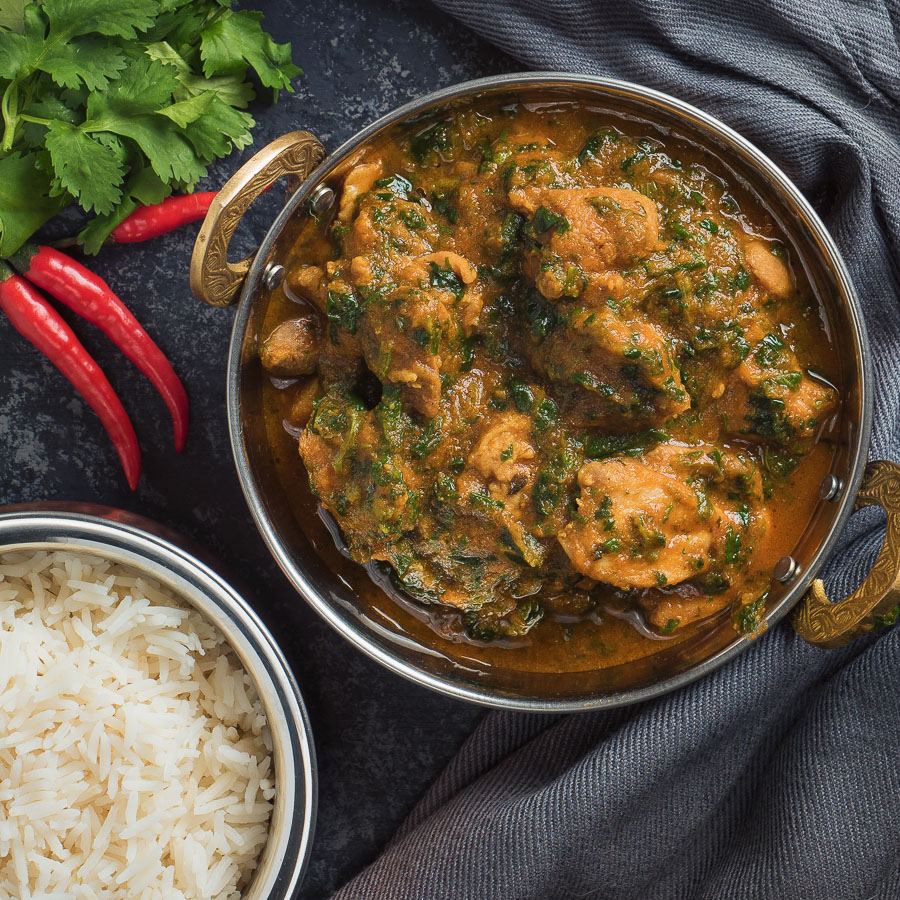
Mastering Homemade Restaurant-Style Chicken Saag: Your Quest for Culinary Perfection
There's a special kind of magic in a well-made chicken saag curry from your favorite Indian restaurant. That rich, deeply spiced chicken, tender spinach, and a sauce that coats every grain of rice or piece of naan with pure flavour – it's an experience many home cooks dream of replicating. The good news? Achieving a nearly restaurant style chicken saag curry at home is not only possible but incredibly rewarding. It requires attention to detail, a love for layering flavours, and a willingness to embrace authentic techniques. This comprehensive guide will walk you through every step, helping you create a homemade chicken saag that will impress even the most discerning palate.
The Foundation: Crafting the Deeply Flavourful Masala Base
The secret to any outstanding Indian curry, including a sublime chicken saag, lies in its base – the masala. This isn't just about throwing spices into a pan; it's about building layers of aroma and taste that culminate in a rich, complex sauce. Many home cooks rush this stage, but patience here is paramount for that truly nearly restaurant style chicken saag curry result.
Building Depth with Aromatics and Onions
- The Holy Trinity: Fresh ginger, garlic, and green chilies are non-negotiable. Mince them finely or crush them into a paste. The freshness makes a huge difference compared to pre-made pastes.
- The Golden Onion Rule: This is perhaps the most crucial step. Finely chopped or puréed onions need to be cooked slowly over medium-low heat until they are deeply golden brown, almost caramelised, and have completely lost their raw smell. This process, known as 'bhunao,' extracts their sweetness and creates the essential backbone of the sauce. Rushing this step results in a watery, less flavourful curry. This alone can elevate your homemade saag from good to great, bringing it closer to a nearly restaurant style chicken saag curry.
The Spice Symphony: Blending for Balance
Once your onions are perfectly browned, it's time for the spices. Use good quality, fresh spices – they make an enormous difference.
- Whole Spices First: Start with aromatic whole spices like bay leaves, cardamom pods, cinnamon sticks, and cloves. Sauté them briefly in oil or ghee until fragrant before adding the ginger-garlic-chili paste. This infuses the oil with their essence.
- Ground Spice Blend: A classic chicken saag curry typically includes ground coriander, cumin, turmeric, red chilli powder (use Kashmiri chilli powder for colour without excessive heat), and a touch of garam masala. Add these to the pan with a splash of water to prevent burning and cook them until the raw smell disappears and the oil starts to separate. This process is vital for awakening their flavours.
- Tomatoes or Yogurt? Some saag recipes use a little tomato purée or chopped tomatoes for tang and body, while others opt for yogurt. If using yogurt, ensure it's full-fat and whisked well. Temper it by stirring a small amount of the hot curry base into the yogurt first, then adding it to the pan gradually to prevent curdling. This adds a lovely creaminess and tang to your nearly restaurant style chicken saag curry.
Spinach Perfection: Techniques for a Vibrant, Flavourful Saag
Saag, by definition, means greens, and spinach is the star here. The way you prepare and cook your spinach significantly impacts the final taste, texture, and visual appeal of your nearly restaurant style chicken saag curry.
Choosing and Preparing Your Greens
- Fresh is Best: While frozen spinach can work in a pinch, fresh spinach offers superior flavour and texture. Opt for tender baby spinach or regular spinach with stems removed.
- Wash Thoroughly: Spinach can be sandy, so wash it thoroughly in several changes of water.
- Blanching vs. Sautéing:
- Blanching: Quickly blanching spinach in boiling water for 1-2 minutes, then shocking it in ice water, helps retain its vibrant green colour. Squeeze out as much water as possible before puréeing or chopping. This is a common restaurant technique.
- Sautéing: Alternatively, you can directly sauté chopped spinach until it wilts and all its water has evaporated. This method can sometimes dull the colour slightly but offers a deeper flavour.
- Texture Matters: For a restaurant-style finish, most saag is finely puréed or very finely chopped after blanching/sautéing. A blender or food processor is your friend here. Aim for a smooth, but not watery, consistency. Ensure you squeeze out excess liquid from the spinach before adding it to the curry. This prevents a watery, diluted sauce and helps the flavour concentrate.
Achieving Restaurant Texture and Flavor: Bringing It All Together
With your masala base and spinach prepared, it's time to bring all the components together to create that harmonious, rich, and tender nearly restaurant style chicken saag curry.
Marinating and Cooking the Chicken
- Chicken Choice: Boneless, skinless chicken thighs are highly recommended. They remain tender and juicy even after simmering, unlike chicken breast which can dry out. Cut them into 1-inch pieces.
- Simple Marinade: A quick marinade of yogurt, ginger-garlic paste, a squeeze of lemon juice, and a pinch of turmeric and salt for 30 minutes to an hour can greatly enhance the chicken's tenderness and flavour.
- Searing the Chicken: Once your masala base is ready, brown the marinated chicken pieces in a separate pan or by pushing the masala to one side of the pot. Searing locks in juices and adds another layer of flavour. Then, mix it into the masala. Cook until the chicken is lightly browned and no longer pink.
The Art of Slow Simmering and Integration
This is where the magic truly happens, allowing all the flavours to meld and deepen. For more insights on this crucial phase, you might want to read our article: Secrets to Amazing Restaurant-Quality Chicken Saag Curry.
- Adding Spinach: Incorporate the prepared (puréed or finely chopped) spinach into the chicken and masala mixture. Stir well to combine.
- Slow Cook to Perfection: Cover the pot and let the curry simmer gently over low heat for at least 20-30 minutes, or even longer. This slow cooking allows the chicken to become incredibly tender and the flavours of the spinach, spices, and chicken to marry beautifully. Stir occasionally to prevent sticking. You'll know it's ready when the oil starts to separate from the edges of the curry, indicating that the spices are fully cooked and the flavours are concentrated.
Finishing Touches: Creaminess and Aromatic Lifts
These final additions elevate your saag to true restaurant quality.
- Richness Boost: A swirl of heavy cream, a dollop of butter, or a spoonful of ghee added at the very end enhances the creaminess and richness without making the curry overly heavy.
- Aromatic Herbs: Fresh chopped coriander (cilantro) is essential for freshness. Additionally, a pinch of crushed kasuri methi (dried fenugreek leaves), lightly toasted and crushed between your palms, adds an unparalleled authentic aroma that is characteristic of many restaurant curries.
- Taste and Adjust: Always taste your curry before serving. Adjust salt, spice, or tang as needed. A squeeze of lemon juice right at the end can brighten all the flavours.
Practical Tips for Your Nearly Restaurant Style Chicken Saag Curry
- Don't Be Afraid of Ghee: Cooking in ghee (clarified butter) adds a wonderful nutty flavour and richness that oil alone cannot provide.
- Rest for Flavour: Like many stews and curries, chicken saag often tastes even better the next day as the flavours have more time to deepen and meld. Consider making it ahead of time.
- Equipment Matters: A heavy-bottomed pot or Dutch oven helps prevent sticking and ensures even heat distribution, which is crucial for slow cooking the masala.
- Serving Suggestions: Serve your delicious homemade nearly restaurant style chicken saag curry with fluffy basmati rice, warm naan bread, roti, or paratha. A side of cooling raita (yogurt with cucumber) can also be a delightful contrast. For a deeper dive into making the best possible version, you might find more inspiration here: Is This the Closest Homemade Chicken Saag to a Restaurant?
Conclusion
Creating a nearly restaurant style chicken saag curry at home is a journey of patience, technique, and a genuine love for vibrant flavours. By focusing on building a robust masala base, expertly preparing your spinach, and allowing the ingredients to simmer and meld, you can achieve a depth of flavour and texture that rivals your favourite takeout. Don't be intimidated; embrace the process, experiment with the tips provided, and soon you'll be enjoying an incredibly satisfying, authentic chicken saag curry, made with your own hands. Happy cooking!
